Wat Chalong History, Festivals & Cultural Significance
Stepping onto the grounds of Wat Chalong, you immediately feel a sense of profound peace, something ancient and deeply rooted. This isn't just another beautiful temple in Thailand; it's the spiritual heart of Phuket, a place where generations have come to seek blessings and offer prayers. Understanding the wat chalong history helps you appreciate the profound layers of meaning woven into every golden spire and painted mural.
For me, visiting a place like this is about more than just snapping photos. It’s about connecting with the stories, the people, and the beliefs that have shaped it over centuries. We're going to dive into the temple’s fascinating past, explore the vibrant festivals that bring its grounds to life, and unpack the deep cultural significance it holds for the local community. It's a journey through time, really, a chance to see how faith and resilience have built something truly extraordinary.
Book your wat chalong experience:
The Origins and Early History of Wat Chalong Phuket
The exact founding date of Wat Chalong is a little murky, lost to the mists of time, as is often the case with these old sites. Most historians place its establishment sometime in the early 19th century, maybe around 1837. It was originally known as Wat Chaiyathararam, which is quite a mouthful, so it's probably a good thing the shorter name stuck. The temple began as a modest complex, serving the local farming and mining communities that dotted this part of Phuket. Back then, life was tough, and a place of worship offered solace and strength.
The early years saw the temple grow steadily, becoming a central hub for village life. People came not just for religious ceremonies but for community gatherings, important announcements, and maybe just a quiet moment of reflection. The monks here were more than spiritual leaders; they were healers, advisors, and educators. They played a vital role in everyday existence, offering practical help alongside spiritual guidance. It was a simpler time, I think, but the foundations of what we see today were definitely laid during those early decades.
Note: While the exact founding year is debated, the temple's earliest records and local folklore consistently point to it being one of Phuket's oldest and most revered temples.
Luang Pho Chaem and the 1876 Rebellion
The history of Wat Chalong took a dramatic turn in 1876 during the Angyee Rebellion. This was a really turbulent period, a conflict between Chinese tin miners that escalated into widespread unrest across the island. The local Thai population was caught in the middle, facing violence and uncertainty. This is where the temple's most famous and revered abbot, Luang Pho Chaem, truly rose to prominence.
Luang Pho Chaem, along with his assistant Luang Pho Chuang, became a beacon of hope and protection. Stories say he used his knowledge of traditional medicine and, more remarkably, his spiritual powers to help the villagers. He would bless white strips of cloth, known as pha prachiat, and give them to people for protection. Many believed these blessed cloths made them invulnerable to harm. There are countless tales of people who survived skirmishes unscathed, attributing their safety to Luang Pho Chaem's blessings. He was a spiritual warrior, in a way, protecting his community during a very dark time. This period cemented his legendary status and the temple's central role in the hearts of Phuket residents, giving the wat chalong history a truly heroic chapter.
Architectural Evolution and Sacred Relics
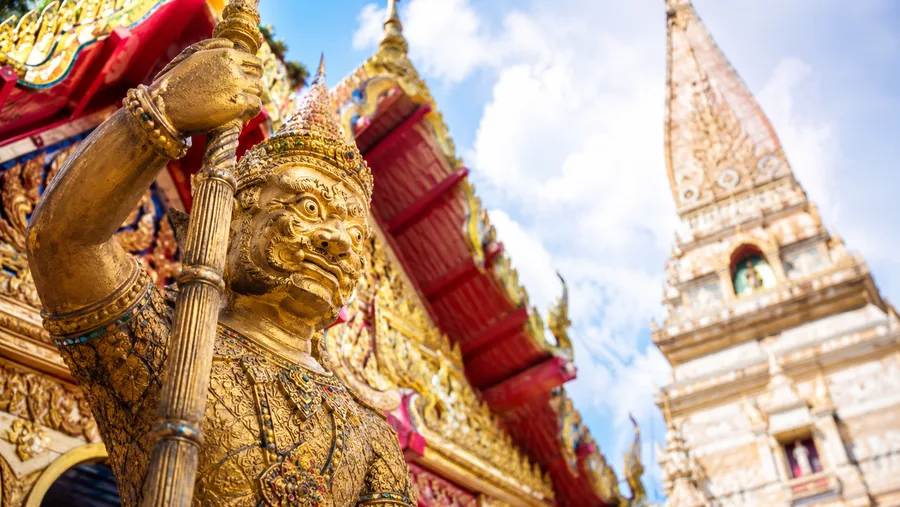
Over the years, Wat Chalong has undergone numerous expansions and renovations, each adding to its grandeur and complexity. The original structures were likely made of wood, humble and functional. As the temple's prominence grew, particularly after the 1876 rebellion, more permanent and elaborate buildings were constructed. The main Ubosot, or ordination hall, is a magnificent example of traditional Thai architecture, adorned with intricate carvings and vibrant murals depicting scenes from the Buddha's life. Honestly, you could spend an hour just looking at the details on the walls.
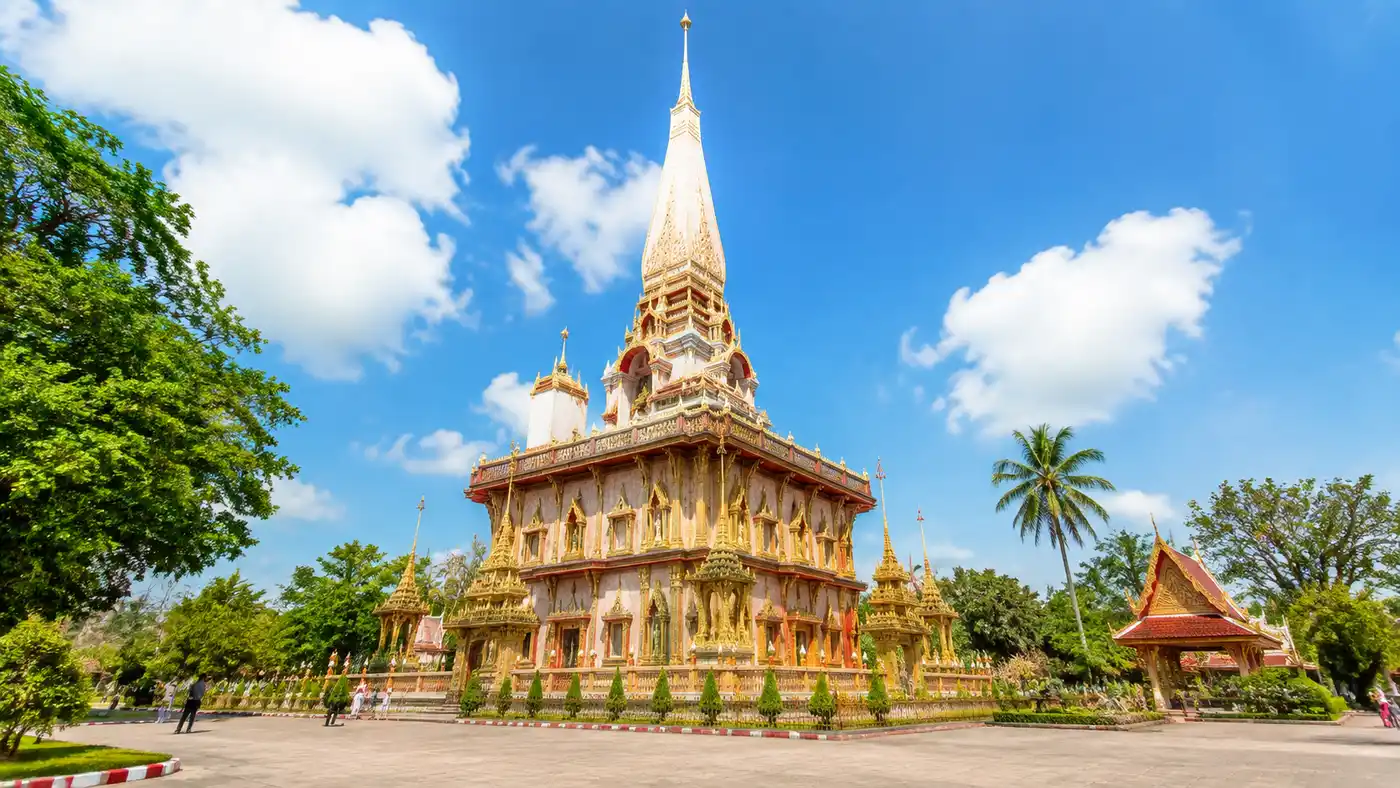
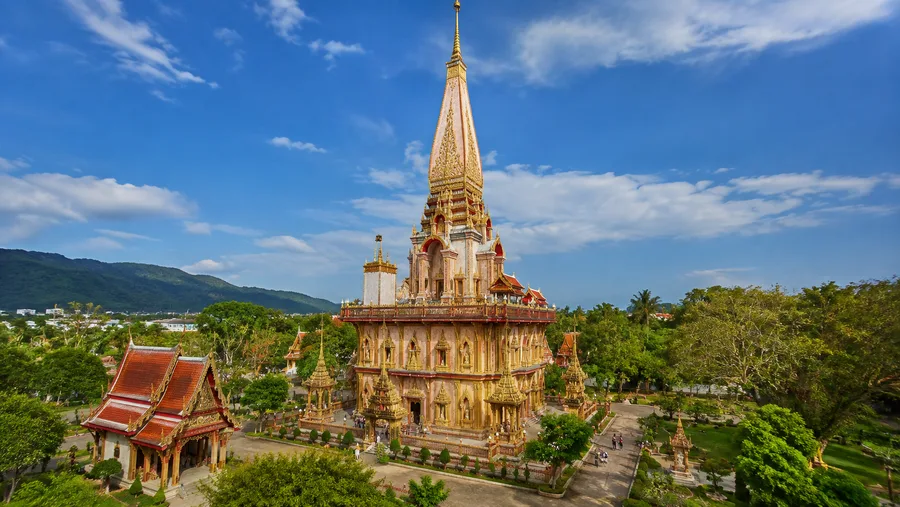
Perhaps the most significant addition is the Phra Mahathat Chedi, a towering stupa standing about 60 meters tall. This impressive structure was completed in the early 2000s and houses a very special relic: a fragment of the Lord Buddha's bone, brought from Sri Lanka. It’s an incredibly sacred object, drawing pilgrims from all over. Visitors can climb several levels inside the chedi, admiring the murals and enjoying views of the temple grounds from higher up. The top level is where the relic is enshrined, a quiet, reverent space. You really feel the weight of history and devotion when you are up there. If you want to dive deeper into what else you can see, you might find our article on Exploring Wat Chalong: Key Attractions & Things to See helpful.
Pro tip: When you climb the Phra Mahathat Chedi, take your time on each floor. The murals depict different stories and historical moments, offering a visual journey through Buddhist teachings and the temple's past.
Book your wat chalong experience:
The Vibrant Wat Chalong Festival and Fairs
While the temple is a place of daily worship, it truly comes alive during its annual festivals. The most significant is the Wat Chalong Fair, held typically around Chinese New Year, often in late January or early February. This isn't just a religious event; it's a massive community celebration, a cultural extravaganza that draws thousands of people. Imagine carnival rides, food stalls galore selling everything from spicy curries to sweet treats, live music, traditional performances, and a buzzing atmosphere that lasts for days, sometimes even a week or more. I remember one year, the fireworks display was absolutely spectacular, lighting up the entire sky over the temple grounds.
The Wat Chalong fair is a tradition deeply ingrained in local life. Families come together, friends reunite, and tourists get a unique glimpse into authentic Thai culture. It's a joyful, slightly chaotic, totally immersive experience. Beyond the main fair, there are smaller celebrations throughout the year, marking important Buddhist holidays. These might involve special prayers, almsgiving ceremonies, and sometimes even a bit of a local market popping up. If you're planning a trip to Phuket, checking the dates for the Wat Chalong festival could seriously enhance your experience. It's when the temple's spirit really shines, and you can see the living wat chalong history unfold before your eyes.
- Main Annual Fair: Usually coincides with Chinese New Year, lasting about 7-10 days. Expect crowds, food, games, and cultural shows.
- Buddhist Holidays: Smaller, more solemn events occur on significant Buddhist dates like Makha Bucha or Visakha Bucha. These are more focused on religious observance.
- Daily Offerings: Devotees visit daily to light incense, offer lotus flowers, and make merit. You’ll hear firecrackers pop throughout the day, a way to chase away bad luck.
Cultural Significance and Modern-Day Devotion
Wat Chalong remains profoundly important to the people of Phuket. It's not just a tourist attraction; it's a cornerstone of their spiritual identity. Locals visit regularly, sometimes daily, to make merit, pray for good health, prosperity, or even just peace of mind. The practice of sak yant, traditional Thai tattooing believed to offer magical protection, is also something you might encounter here, though it's not the primary focus of the temple. People also come to consult with monks, seeking guidance on personal matters. The temple serves as a constant reminder of the island's rich heritage and the enduring power of faith.
The reverence for Luang Pho Chaem continues unabated. His statue, along with those of Luang Pho Chuang and Luang Pho Gleum, is enshrined in one of the temple halls, and devotees often apply gold leaf to them as a sign of respect and to receive blessings. It's a beautiful, tangible connection to the past, a way for people to honor the monks who protected their ancestors. The celebrations in Wat Chalong, whether grand festivals or quiet daily rituals, underscore its role as a living, breathing center of devotion. Honestly, you can feel the energy, the deep respect, the moment you step inside. This enduring spirit is what makes the wat chalong history so compelling.
Frequently Asked Questions about wat chalong history
When was Wat Chalong built?
The exact founding date is unknown, but it is believed to have been established in the early 19th century, likely around 1837.
What is the Wat Chalong Festival?
The Wat Chalong Fair is an annual celebration, typically held around Chinese New Year, featuring food stalls, games, cultural performances, and religious ceremonies. It is a major community event.
Who was Luang Pho Chaem?
Luang Pho Chaem was a revered abbot of Wat Chalong who gained legendary status for his spiritual powers and healing abilities during the 1876 Angyee Rebellion, protecting the local population.
Quick Reference
- Founded: Early 19th century
- Key Figure: Luang Pho Chaem
- Main Relic: Buddha bone fragment
- Major Event: Annual Wat Chalong Fair
Book your wat chalong experience:
My Take on Wat Chalong's Enduring Legacy
Visiting Wat Chalong is always a profound experience for me. It’s more than just a collection of beautiful buildings; it’s a living testament to faith, resilience, and community. The layers of history, from the early days of its founding to the heroic tales of Luang Pho Chaem and the vibrant energy of the annual fair, all contribute to its unique atmosphere. You don't just see the architecture; you feel the stories, the prayers, the centuries of devotion. So, next time you're in Phuket, don't just pass through. Take some time to really soak in the wat chalong history. You'll leave with a deeper understanding of this incredible island and its spiritual heart.
Read more about wat chalong.